

How to Reduce Freight Costs in Canada Without Sacrificing Service
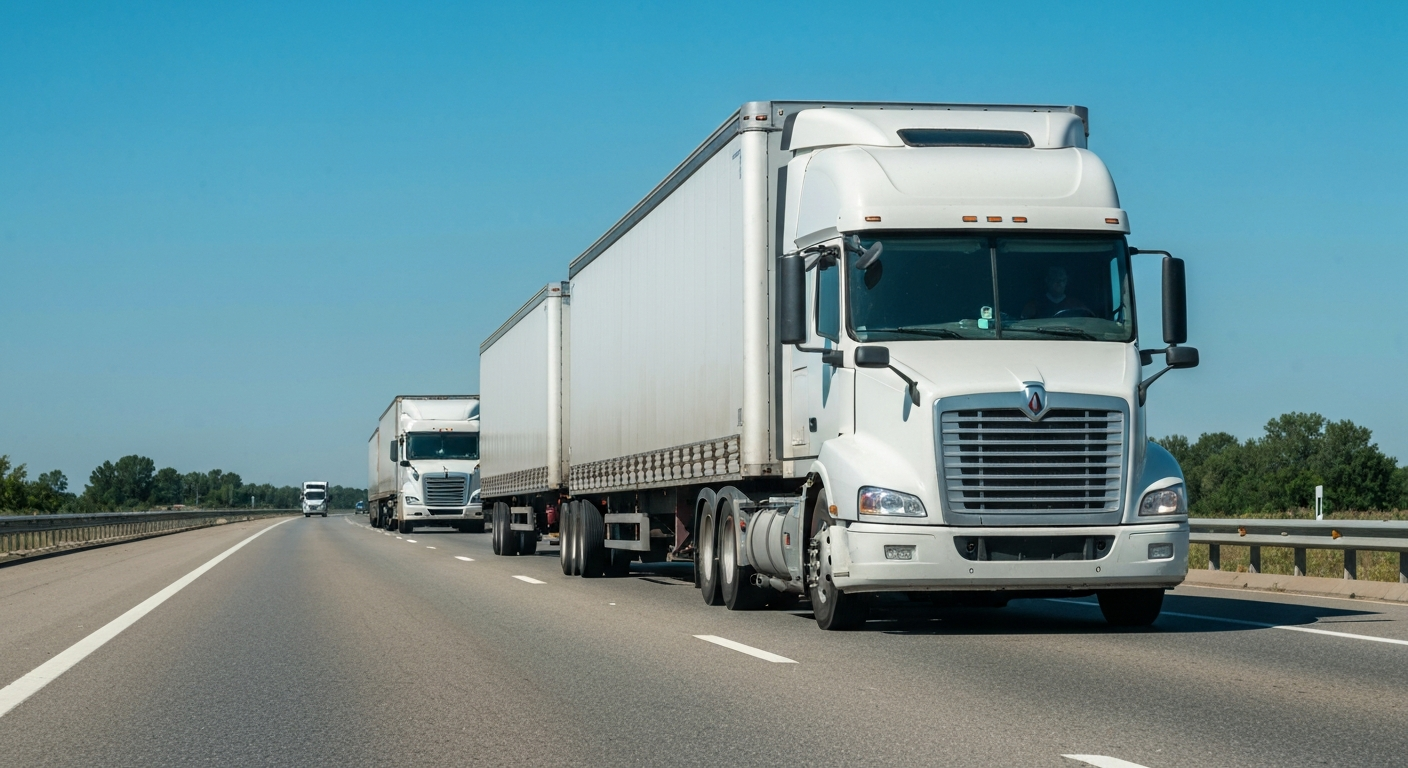
Reducing freight costs is a priority for most businesses — but cutting costs the wrong way can lead to delays, poor service, and operational risk. The challenge isn’t just lowering costs — it’s doing so without compromising execution.
Reducing freight costs is a priority for most businesses — but cutting costs the wrong way can lead to delays, poor service, and operational risk.
The challenge isn’t just lowering costs — it’s doing so without compromising execution.
In this guide, we break down practical ways to reduce freight costs while maintaining reliability and control.
Why Freight Costs Are Increasing
Several factors continue to impact shipping costs in Canada:
- Fuel price volatility
- Capacity constraints
- Port congestion
- Supply chain disruptions
- Carrier rate fluctuations
Understanding these pressures is key to managing costs effectively.
Where Most Companies Get It Wrong
Many businesses try to reduce costs by:
- Choosing the lowest rate
- Switching providers frequently
- Reducing service levels
This often leads to:
- Delays
- Hidden costs
- Poor visibility
Smart Strategies to Reduce Freight Costs
1. Optimize Mode Selection
Choosing between ocean, rail, air, and truck transportation can significantly impact cost.
2. Consolidate Shipments
Combining shipments where possible reduces cost per unit.
3. Improve Planning & Forecasting
Last-minute decisions are always more expensive.
4. Leverage Carrier Relationships
Strong logistics partners can provide better pricing and space allocation.
5. Improve Visibility
Better visibility leads to better decisions — and fewer costly surprises.
The Role of a Strong Logistics Partner
A good freight forwarder helps you:
- Identify cost-saving opportunities
- Optimize routes and modes
- Improve planning
- Reduce inefficiencies
How Shippers First Logistics Helps Reduce Costs
At Shippers First Logistics, we focus on:
- Strategic routing decisions
- Mode optimization
- Strong carrier relationships
- Real-time visibility
We don’t just move freight — we help improve how your supply chain operates.
Reducing freight costs isn’t about cutting corners — it’s about making smarter decisions.
The right approach can lower costs while improving reliability and performance.
Let’s review your current logistics setup and identify opportunities for improvement.