

Importing Into Canada: What Businesses Need to Know About Freight, Costs, and Compliance
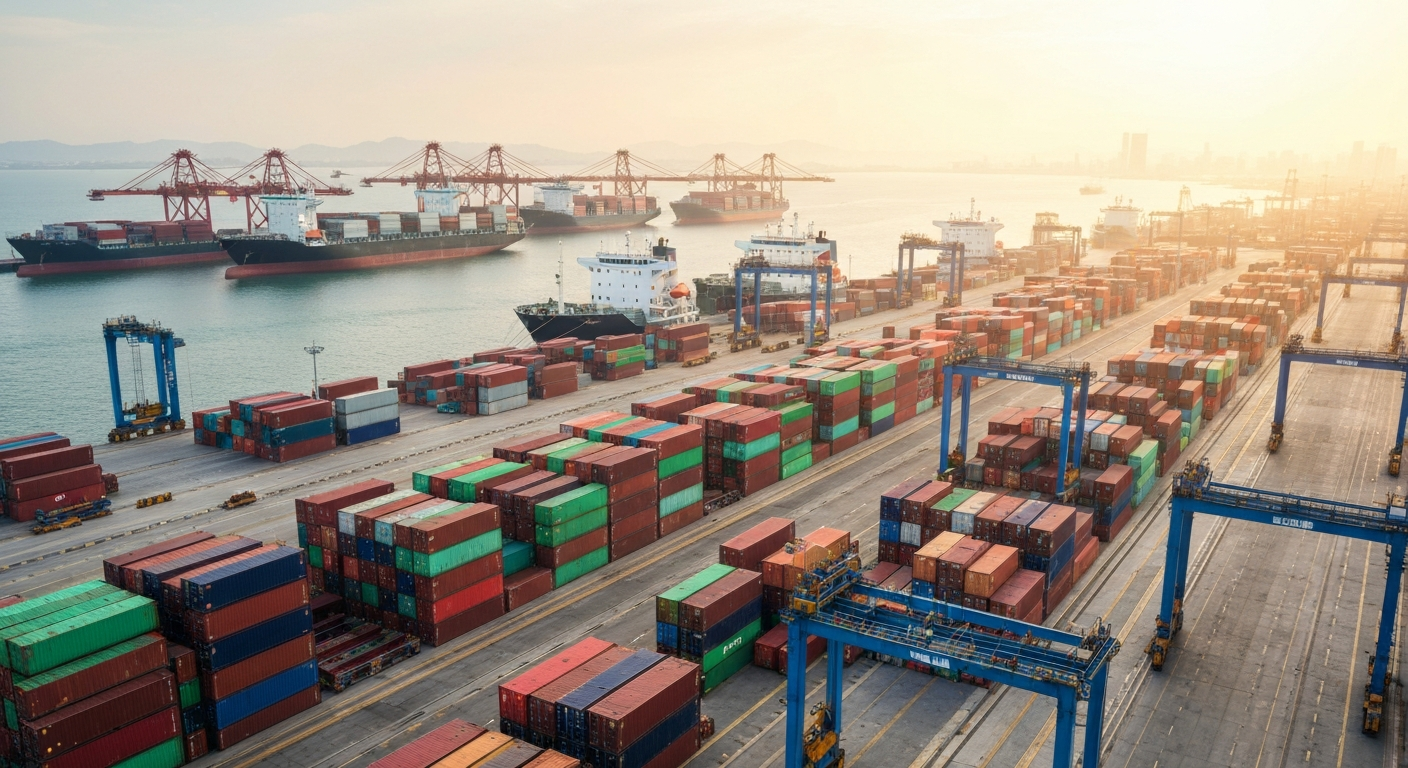
Canada is a major destination for global trade, offering access to a strong consumer market and well-developed infrastructure. However, importing into Canada involves more than just shipping goods — it requires careful coordination of transportation, cost management, and regulatory compliance.
For businesses looking to expand into Canada, understanding how the process works is essential to avoiding delays, unexpected costs, and operational challenges.
In this guide, we break down what importers need to know.
How Importing Into Canada Works
The import process typically follows this structure:
Supplier → Origin Transport → International Shipping → Canadian Port of Entry → Customs Clearance → Final Delivery
Each step must be carefully managed to ensure smooth execution.
Choosing the Right Mode of Transportation
Importers must decide how goods will move into Canada:
- Ocean Freight: Best for large-volume shipments and cost efficiency
- Air Freight: Best for speed and time-sensitive shipments
- Rail & Intermodal: Efficient for inland distribution across North America
- Truck Transportation: Essential for final delivery and cross-border movement
Understanding Freight Costs
Freight costs are influenced by:
- Transportation mode
- Fuel prices
- Carrier availability
- Port and terminal fees
- Inland transportation
Many importers underestimate the total landed cost, which includes more than just shipping rates.
Customs Clearance and Compliance
Importing into Canada requires compliance with regulations set by the Canada Border Services Agency (CBSA). This includes:
- Proper documentation
- Duties and taxes
- Classification of goods
- Importer registration
One of the most important developments is the CARM (CBSA Assessment and Revenue Management) system, which requires importers to manage their own accounts and payments directly.
Non-Resident Importers (NRI) and DDP Shipping
Many foreign companies choose to sell into Canada as a Non-Resident Importer (NRI). This allows them to:
- Control the import process
- Provide Delivered Duty Paid (DDP) shipping
- Improve customer experience in Canada
However, this requires proper setup within the CARM system and coordination with logistics and customs partners.
The Importance of Visibility and Control
Without visibility, importers often face:
- Delays without warning
- Poor coordination between providers
- Limited ability to react to disruptions
Real-time tracking and communication are essential to maintaining control.
Common Challenges When Importing Into Canada
- Lack of coordination between shipping and customs
- Unexpected duties and fees
- Delays at ports or borders
- Limited visibility into shipment status
These challenges can impact both cost and customer satisfaction.
How Shippers First Logistics Supports Importers
At Shippers First Logistics, we help businesses manage the full import process by providing:
- End-to-end freight coordination
- Support across ocean, air, rail, and truck transportation
- Real-time shipment visibility
- Strategic guidance on optimizing supply chains
How DDP Canada Supports Foreign Businesses
For companies outside Canada, DDP Canada Inc. helps simplify the process by:
- Assisting with Non-Resident Importer (NRI) setup
- Supporting CARM registration
- Coordinating with customs brokers
- Enabling Delivered Duty Paid (DDP) shipping into Canada
This allows foreign businesses to enter the Canadian market with confidence. Visit www.DDPCanada.com
Importing into Canada offers significant opportunity — but success depends on execution, planning, and compliance.
Businesses that take a strategic approach to freight, costs, and regulatory requirements gain a competitive advantage.
With the right partners and systems in place, importing into Canada can be efficient, predictable, and scalable.
If you're importing into Canada — or planning to — we can help you navigate the process with clarity and confidence.
Let’s review your current setup and identify opportunities to improve efficiency, reduce costs, and ensure compliance.