

Ocean Freight Shipping in Canada: What Importers Need to Know in 2026
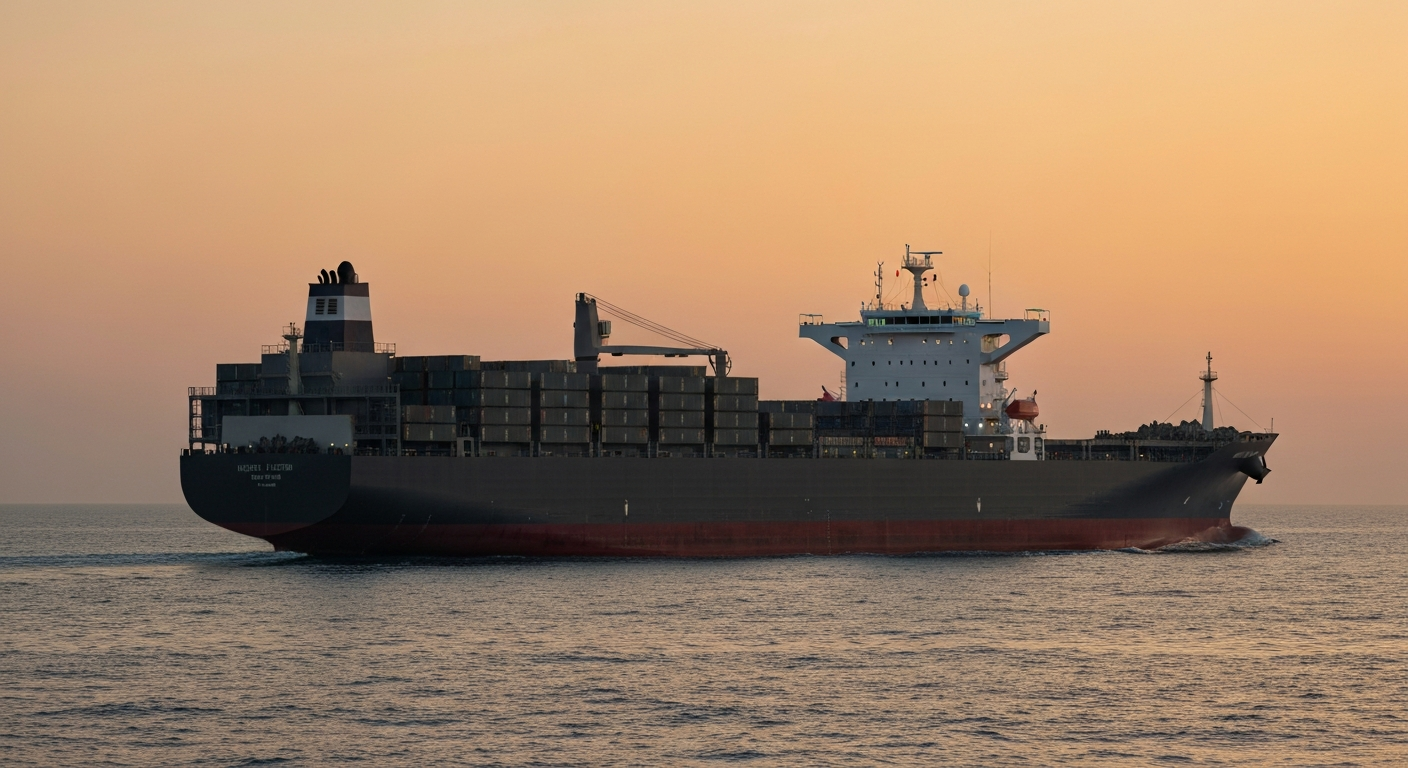
Ocean freight remains the backbone of global trade, with the majority of goods entering Canada moving by sea. For importers, understanding how ocean freight works — and where inefficiencies occur — is critical to controlling costs, timelines, and overall supply chain performance.
In this guide, we break down how ocean freight shipping works in Canada and what businesses need to consider in 2026.
How Ocean Freight Shipping Works in Canada
Ocean freight typically follows a structured flow:
Supplier → Origin Port → Ocean Vessel → Canadian Port → Rail/Truck → Final Delivery
Canada’s major ports include:
- Vancouver (Asia-Pacific gateway)
- Montreal (Eastern Canada and inland distribution)
- Halifax (efficient Atlantic access point)
Once cargo arrives, inland transportation becomes a critical part of the process.
FCL vs LCL: Understanding Your Shipping Options
Full Container Load (FCL)
- Dedicated container
- More control over timing
- Lower risk of handling issues
Less Than Container Load (LCL)
- Shared container space
- Lower upfront cost
- Longer transit times and more handling
Choosing the right option depends on shipment size, urgency, and cost priorities.
Key Challenges Importers Face in 2026
Ocean freight continues to face several challenges:
- Port congestion and delays
- Fluctuating freight rates
- Equipment shortages
- Unpredictable transit times
These factors can significantly impact supply chain reliability if not properly managed.
The Importance of Inland Transportation
Ocean freight doesn’t end at the port.
Efficient coordination of rail and trucking is essential to ensure timely delivery. Poor inland planning can result in:
- Storage fees
- Delays
- Increased costs
Why Visibility Matters in Ocean Freight
One of the biggest challenges in ocean shipping is limited visibility.
Without real-time tracking, businesses often operate reactively. Improved visibility allows for:
- Better planning
- Faster response to delays
- Stronger communication with stakeholders
How to Improve Your Ocean Freight Strategy
To improve performance, importers should focus on:
- Planning shipments in advance
- Choosing the right shipping mode (FCL vs LCL)
- Working with experienced logistics partners
- Leveraging technology for visibility
- Coordinating inland transportation effectively
How Shippers First Logistics Supports Ocean Freight
At Shippers First Logistics, we help importers navigate the complexity of ocean freight shipping by providing:
- End-to-end coordination from origin to delivery
- Strong relationships with global carriers
- Real-time visibility across shipments
- Seamless integration of ocean, rail, and truck services
We focus on execution, communication, and control — so your supply chain runs smoothly.
Ocean freight is a critical component of global supply chains — but it comes with complexity.
Understanding how the system works and where challenges occur allows businesses to make better decisions and improve performance.
With the right strategy and support, ocean shipping can become a competitive advantage rather than a risk.
If you're importing into Canada and want to improve your ocean freight strategy, we’re here to help.
Let’s review your current shipping approach and identify opportunities to improve efficiency and control.